
Hidden Gas Risks Inside Your Home
Learn everything you need to know about Hidden Gas Risks Inside Your Home and how to protect your home.
ℹ️Important Information
Understanding Hidden Gas Risks Inside Your Home is crucial for maintaining your home's safety and value. This guide provides essential information every homeowner should know.
Understanding Hidden Gas Risks in Your Home

Hidden gas risks in your home can pose significant dangers to your health and safety. Gas appliances, while convenient, require proper installation, maintenance, and monitoring to prevent hazards such as leaks and carbon monoxide poisoning. Homeowners must be vigilant in identifying potential risks and implementing safety measures to protect their families. In this article, we will explore various aspects of gas safety, including detection methods, common mistakes, and prevention strategies to ensure your home remains a safe haven.
Gas Pipe Connections: A Crucial Component
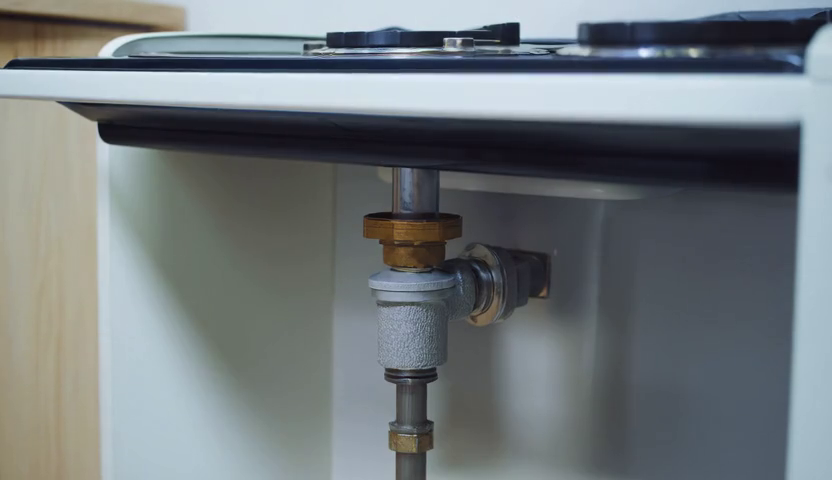
The Importance of Proper Installation
Gas pipe connections are critical in ensuring that gas flows safely to your appliances. Incorrect installation can lead to leaks, posing serious risks. Homeowners should ensure that all gas line installations comply with local building codes and standards. Using certified professionals for installation and repairs is paramount to maintaining safety in your home.
Common Installation Mistakes
Some common mistakes during gas pipe installation include:
- Using unsuitable materials: Only qualified materials should be used for gas piping to prevent leaks.
- Improper sealing: Connections should be correctly sealed to avoid gas escape.
- Neglecting pressure testing: Newly installed lines should be pressure tested to ensure they are leak-free.
Understanding these pitfalls can help homeowners ensure that their gas systems are safely installed and maintained.
Regular Inspections: A Necessity
Regular inspections of gas pipe connections are essential to detect potential issues before they escalate. Homeowners should incorporate these inspections into their routine home maintenance schedule. Checking for corrosion, loose fittings, and signs of wear can help identify problems early.
Ventilation: A Key Safety Feature
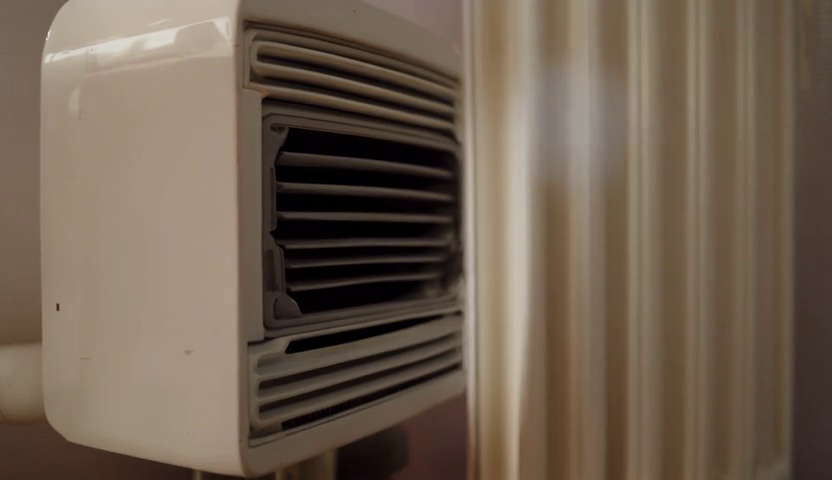
Why Adequate Ventilation Matters
Proper ventilation is crucial in spaces where gas appliances are used. Ventilation helps to disperse gas that may escape, reducing the risk of buildup and harmful exposure. Homeowners should ensure that their homes have adequate airflow, especially in areas where gas appliances are located.
Identifying Ventilation Issues
Signs of inadequate ventilation may include:
- Condensation on windows or walls.
- Stale air or odors lingering in the room.
- Frequent headaches or symptoms of carbon monoxide exposure.
Addressing ventilation issues promptly can significantly enhance indoor air quality and safety.
Ventilation Solutions
To improve ventilation, consider the following solutions:
- Install exhaust fans in kitchens and bathrooms to expel stale air.
- Open windows regularly to allow fresh air circulation.
- Consider mechanical ventilation systems for improved airflow.
Implementing these solutions will aid in maintaining a safe environment around gas appliances.
Carbon Monoxide Detectors: Your First Line of Defense
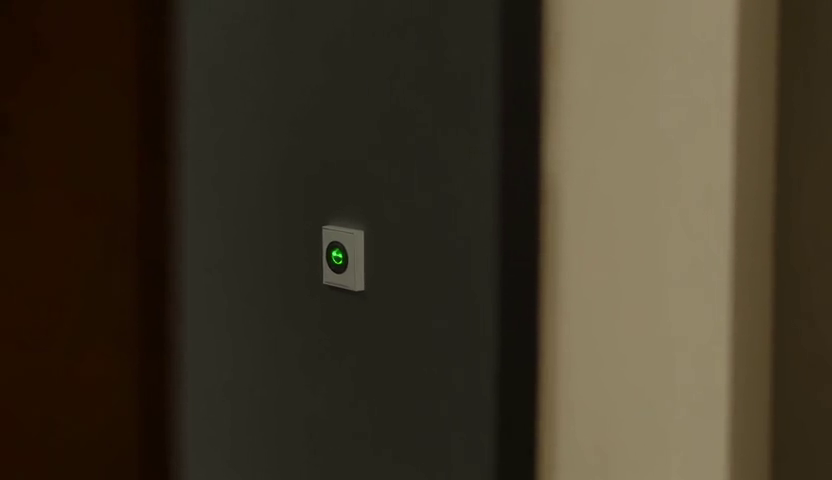
The Importance of Carbon Monoxide Detectors
Carbon monoxide (CO) is a colorless, odorless gas that can be produced by gas appliances. It poses serious health risks, including poisoning, which can be fatal. Installing CO detectors throughout your home is essential for early detection of this dangerous gas.
Best Practices for Detector Placement
For optimal performance, CO detectors should be placed:
- On each level of your home, particularly near sleeping areas.
- At least 15 feet away from any fuel-burning appliances.
- In areas where people spend significant time, such as living rooms and hallways.
Following these guidelines ensures that detectors can effectively monitor for CO levels throughout your home.
Regular Testing and Maintenance
Homeowners should regularly test their CO detectors to ensure they are functioning correctly. This includes:
- Pressing the test button monthly to verify the alarm sounds.
- Replacing batteries at least once a year or as needed.
- Replacing the entire unit every 5-7 years, depending on manufacturer guidelines.
Regular maintenance can prevent detector failure and ensure timely alerts in the event of a carbon monoxide leak.
Taking Action: Testing and Responding to Gas Alarms
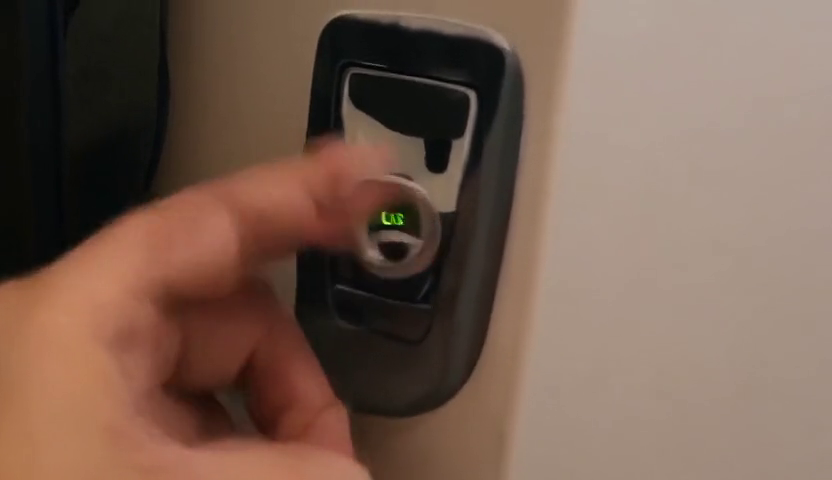
How to Properly Test Your Gas Alarms
Testing gas alarms is a critical aspect of home safety. Homeowners should follow specific steps to ensure that alarms are working correctly:
- Check the manufacturer's instructions for testing procedures.
- Use the test button to ensure the alarm sounds.
- Replace any units that fail to activate.
Regularly testing alarms can help ensure they are functional when needed most.
Emergency Response to Gas Leaks
In case of a gas leak, it's crucial to respond quickly and effectively:
- Evacuate the area immediately and ensure all occupants are safe.
- Do not use electrical devices or open flames, as these can trigger an explosion.
- Contact your gas company or emergency services from a safe distance to report the leak.
Understanding these steps can help protect lives and property in the event of a gas leak.
Gas Appliances: The Unseen Threats
The Role of Gas Appliances in Modern Homes
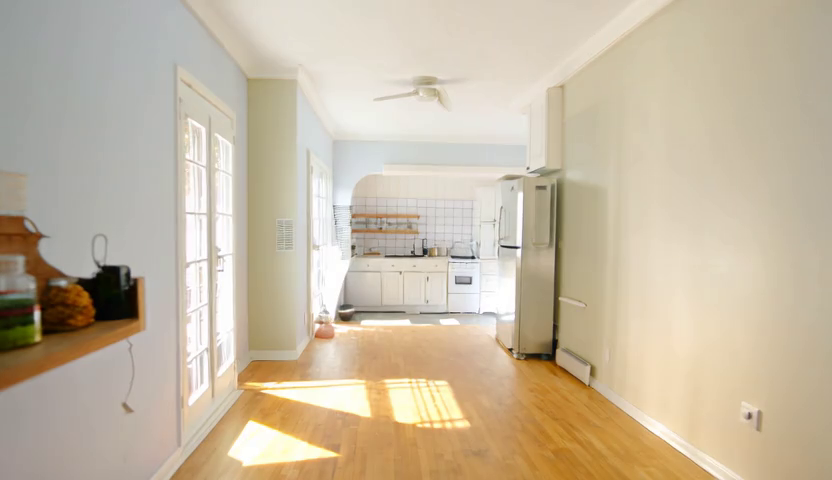
Gas appliances such as stoves, water heaters, and heating systems are prevalent in many households due to their efficiency and effectiveness. However, they can also be sources of hidden gas leaks if not properly maintained. Regular inspections and maintenance by qualified professionals are crucial in minimizing risks associated with these appliances. Homeowners should also familiarize themselves with the specific types of gas their appliances use, as this knowledge can inform safety practices and maintenance schedules.
Warning Signs of Gas Leaks
It’s essential to recognize the early signs of gas leaks, which can include:
- Odor: A distinct sulfur-like smell is often added to natural gas, making it detectable.
- Sound: Hissing or whistling sounds near gas lines may indicate a leak.
- Visual Indicators: Dead plants, a white cloud, or a visible gas flame that is yellow instead of blue could signal an issue.
Being aware of these signs can help homeowners take immediate action to prevent potential hazards.
Maintenance Tips for Gas Appliances
To minimize the risk of gas leaks, homeowners should follow these maintenance tips:
- Schedule annual inspections by certified technicians for all gas appliances.
- Check for any signs of wear or damage on gas lines and connections.
- Ensure proper ventilation is in place to avoid gas buildup in enclosed spaces.
Regular maintenance can significantly reduce the risk of gas leaks and enhance the safety of your home environment.