Essential Home Fire Safety Tips
Protecting your family and property from fire hazards is paramount. This guide offers crucial insights into fire prevention and emergency preparedness, ensuring a safer living environment for everyone.
Home fire safety is crucial for protecting your family and property from the devastating consequences of fire. Implementing effective fire prevention measures and understanding how to react in emergencies can significantly reduce the risks associated with fires. This article provides essential home fire safety tips, including prevention strategies, maintenance recommendations, and guidelines for creating a fire escape plan. By following these tips, homeowners can enhance their fire safety knowledge and ensure a safer living environment for their families.
Before delving into fire prevention tips for homeowners, it’s essential to understand the primary causes of house fires. According to the National Fire Protection Association (NFPA), the leading causes of home fires include cooking, heating equipment, electrical malfunctions, smoking, and flammable liquids. Cooking is often the leading cause, particularly when people leave food unattended on the stove. Heating equipment, such as portable heaters too close to combustibles, can also ignite fires. Additionally, electrical issues like faulty wiring and overloaded circuits contribute to many incidents. Understanding these risks is the first step in proactive fire prevention.
Cooking Safety
Unattended cooking is the most common cause of kitchen fires. It's vital to stay in the kitchen while cooking, especially when using oil or high heat. If you must leave, even for a short period, turn off the stove. Always keep flammable materials, like dish towels and paper products, away from the cooking area. Ensure that your kitchen is equipped with a fire extinguisher, and familiarize yourself with how to use it. Regularly clean the stovetop and oven to prevent grease buildup, which can ignite and cause significant fires.
Heating Equipment Safety
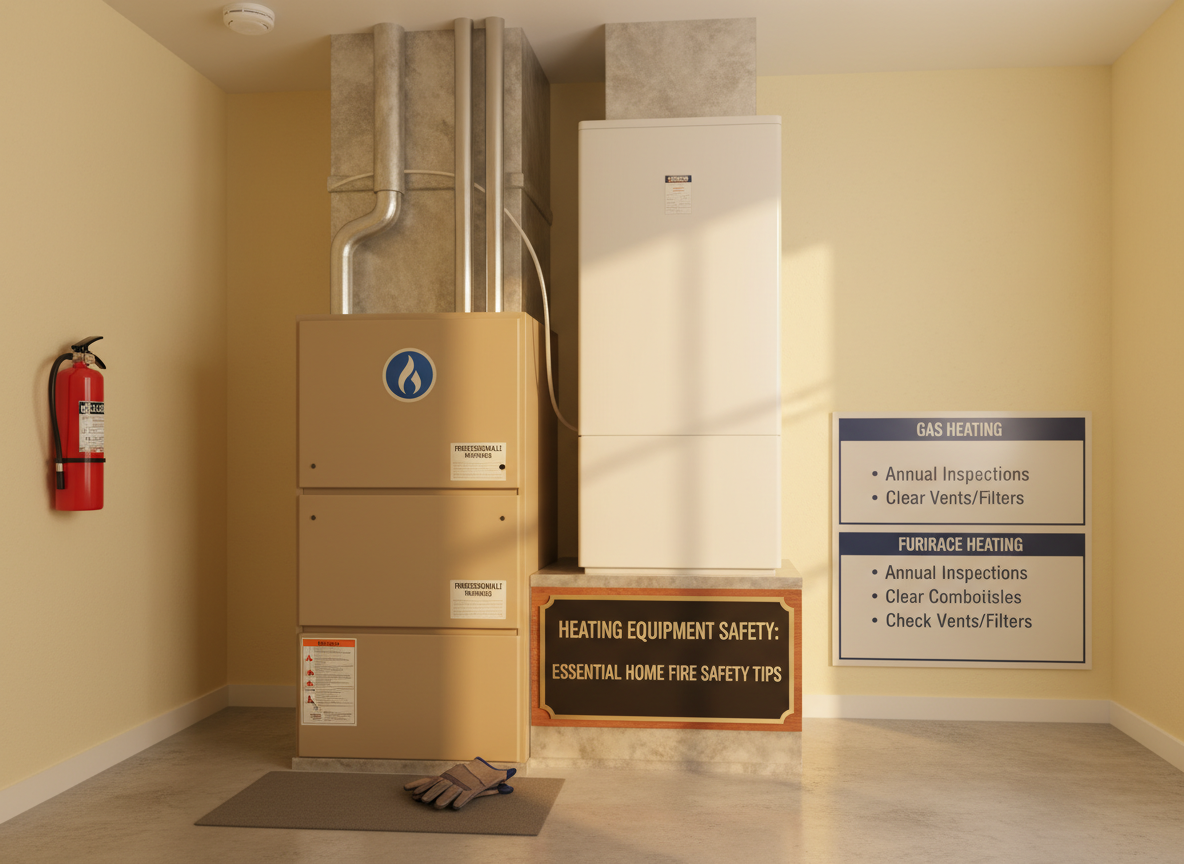
Portable heaters can provide warmth but pose a significant fire risk if not used carefully. Always maintain a distance of at least three feet from anything that can burn, such as curtains, furniture, or paper. Ensure that your heater has an automatic shut-off feature in case it tips over. Regular maintenance of heating systems is crucial; check for any signs of malfunction and replace old or damaged units. Consider using space heaters that are certified for safety by recognized testing laboratories, ensuring they meet strict safety standards.
ℹ️The Importance of Smoke Alarms
Smoke alarms are your first line of defense against fire. Ensuring they function properly can save lives. Install smoke alarms in every bedroom, outside sleeping areas, and on each level of your home. Test alarms monthly by pressing the test button to ensure they are operational. Replace batteries at least once a year and consider upgrading to a new alarm every ten years to maintain effectiveness. Having a working smoke alarm reduces the risk of dying in a reported fire by 50%. Make fire safety a priority by regularly checking and maintaining your smoke alarms.
To prevent house fires effectively, homeowners should follow practical fire prevention tips. Firstly, develop a fire escape plan. This involves drawing a floor plan of your home, marking two exits from each room, and designating a meeting place outside. Conduct regular fire drills to ensure everyone knows the escape route and the meeting point. Secondly, practice safe smoking habits. If you smoke, use deep, sturdy ashtrays and never smoke in bed. Dispose of cigarettes properly, ensuring they are completely extinguished. By following these tips, you can significantly reduce the risk of a fire in your home.
Frequently Asked Questions
What should I do if my smoke alarm goes off?
If your smoke alarm goes off, stay calm and assess the situation. If you see smoke or flames, evacuate your home immediately, using the escape plan you’ve developed. Do not waste time gathering belongings; your safety is the priority. Once outside, call the fire department from a safe distance. If the alarm goes off due to a false alarm, such as cooking smoke, ventilate the area and reset the alarm. Regular maintenance and testing of your smoke alarms can help minimize false alarms.
How often should I replace my smoke alarm batteries?
You should replace the batteries in your smoke alarm at least once a year. A good practice is to change them when you change your clocks for daylight saving time. In addition to battery replacement, it’s recommended to replace the entire smoke alarm every ten years, as the sensors can degrade over time. Regular testing of the alarms monthly will ensure they are functioning properly, providing you with necessary alerts in case of a fire.