Essential Fire Safety Equipment for Homes: A Comprehensive Guide
Protecting your home and loved ones from fire hazards is crucial. This guide provides insights into fire safety equipment, ensuring you are prepared for emergencies and know how to use the tools effectively.
Fire safety equipment is crucial for protecting your home and loved ones from the devastating effects of fire. By equipping your home with the right fire safety gear, you can significantly reduce the risk of fire-related incidents and enhance your preparedness in case of emergencies. This guide will cover various types of fire safety equipment, including fire extinguishers, smoke detectors, fire alarms, and more, providing detailed insights into their importance and how to use them effectively.
Understanding home fire safety equipment encompasses a range of devices designed to detect, prevent, and extinguish fires. Each piece of equipment plays a unique role in fire safety, making it essential to have a well-rounded arsenal in your home. Some of the most critical types of fire safety equipment include fire extinguishers, which are essential for controlling small fires, smoke detectors that alert you to the presence of smoke, fire alarms that notify occupants of a fire, fire blankets that can smother flames or protect people, and comprehensive home fire safety kits that contain various essential tools and devices. Having these items readily available can save lives and property.
Fire Extinguishers
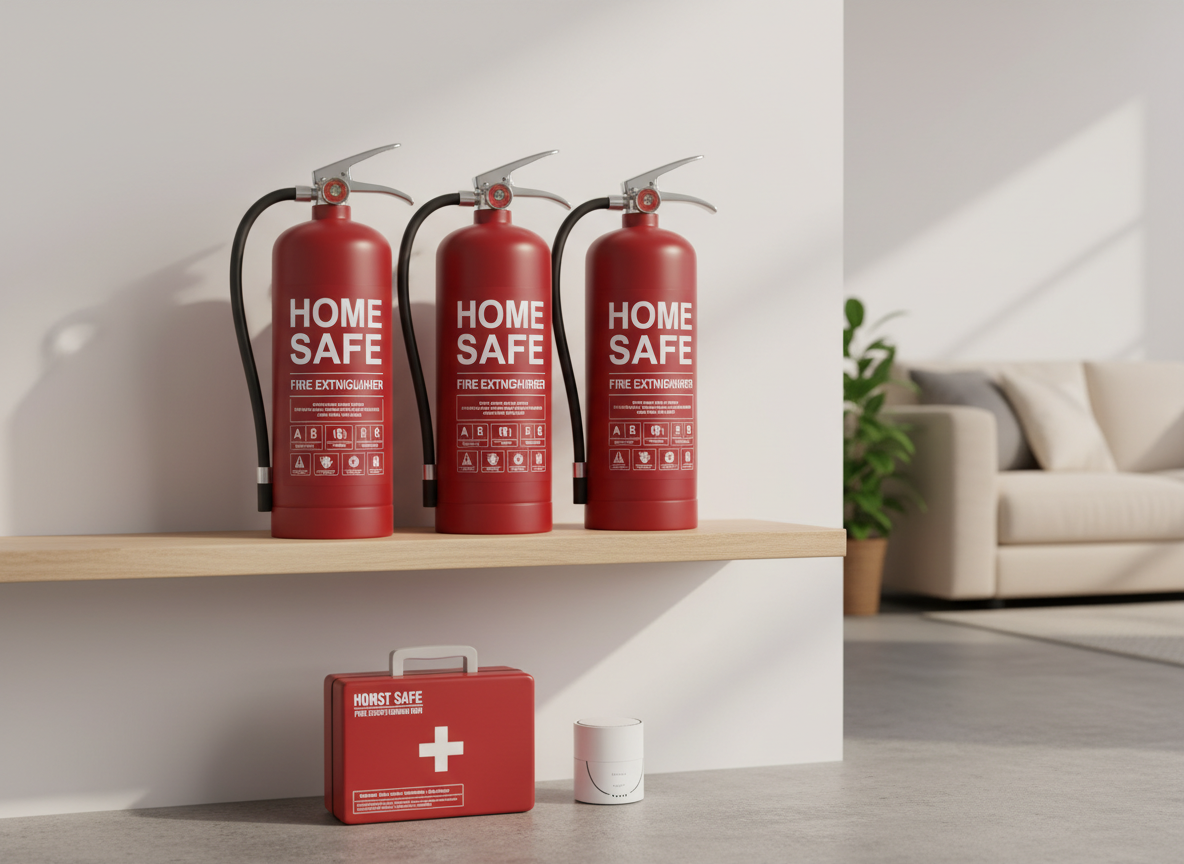
Fire extinguishers are vital for quickly suppressing small fires before they escalate. Available in various classes, each type is designed for specific fire hazards, such as Class A for ordinary combustibles, Class B for flammable liquids, and Class C for electrical fires. When choosing a fire extinguisher for home use, ensure it is of a suitable size, has a good rating for expected fire types, and is placed in easily accessible locations.
Smoke Detectors
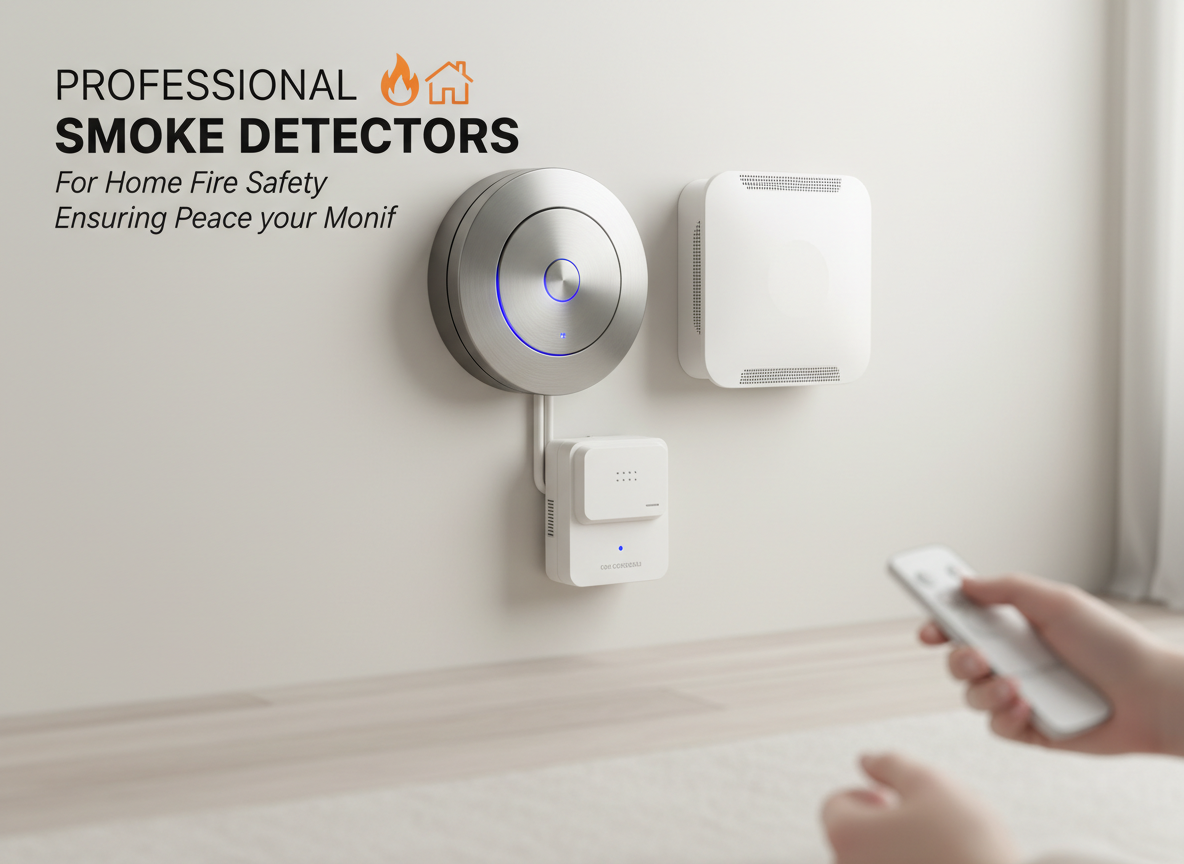
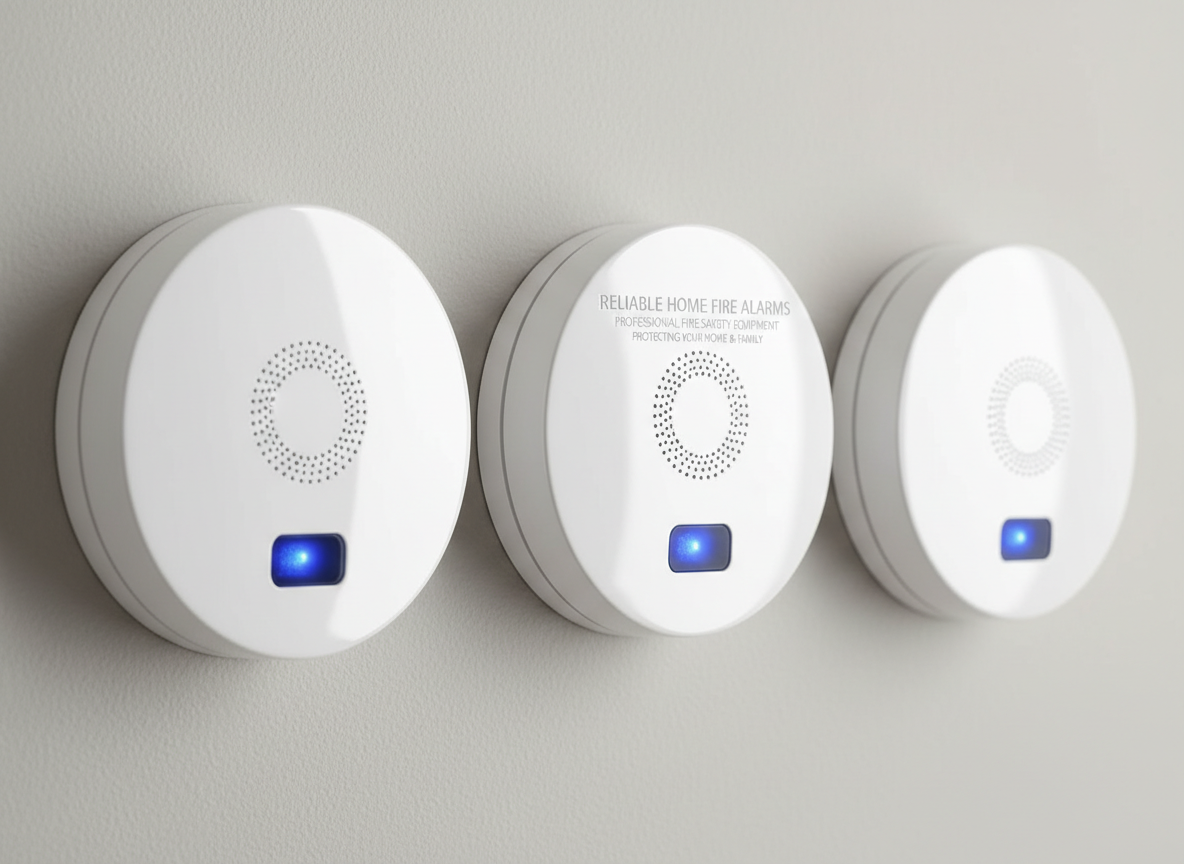
Smoke detectors are indispensable in any home as they provide early warnings of smoke, which is often a precursor to fire. These devices should be installed in strategic locations throughout the home, such as near bedrooms and kitchens. Regular maintenance is essential, including testing the alarms monthly and changing the batteries at least once a year. Modern smoke detectors can also be interconnected, providing alerts throughout the house when one detects smoke.
Fire Alarms
Fire alarms are comprehensive systems designed to alert occupants of a fire or smoke presence. Unlike standalone smoke detectors, fire alarms often integrate with a home security system and can notify emergency services automatically. Investing in a reliable fire alarm system can provide peace of mind, ensuring that you and your family are alerted promptly in the event of a fire, allowing for quicker evacuation and response.
ℹ️Important Tips for Fire Safety
When it comes to home fire safety, proactive measures can make a significant difference. Ensure that you have a fire escape plan in place, and practice it regularly with your family. This plan should include multiple escape routes and a designated meeting spot outside the home. Additionally, regularly check and maintain your fire safety equipment, including replacing batteries in smoke detectors and ensuring fire extinguishers are fully charged. It’s also wise to have a fire safety kit that includes essential tools such as a flashlight, first aid supplies, and emergency contact numbers.
Fire extinguishers are vital for quickly suppressing small fires before they escalate. They come in different classes, each designed for specific types of fires. For instance, Class A extinguishers are suitable for ordinary combustibles like wood and paper, while Class B extinguishers are ideal for flammable liquids such as gasoline. For electrical fires, Class C extinguishers are essential, and Class D extinguishers are used for combustible metals. Additionally, Class K extinguishers are specifically designed for kitchen fires involving cooking oils and fats. When selecting a fire extinguisher, consider factors such as size, rating, and accessibility, ensuring that they are placed in convenient locations for rapid response.
Frequently Asked Questions
What type of fire extinguisher should I have in my home?
It is recommended to have a multi-purpose fire extinguisher that is rated for Class A, B, and C fires. This type of extinguisher can handle fires involving ordinary combustibles, flammable liquids, and electrical equipment. Additionally, if you have a kitchen, consider having a Class K extinguisher for cooking-related fires. Ensure that the extinguisher is easily accessible and regularly maintained.
How often should I test my smoke detectors?
You should test your smoke detectors at least once a month to ensure they are functioning correctly. It’s also advisable to change the batteries at least once a year. Many recommend doing this when you change your clocks for daylight savings time. Additionally, replace smoke detectors every 10 years, as their sensors can degrade over time, reducing their effectiveness.
What should I include in my home fire safety kit?
Your home fire safety kit should include items such as a flashlight with extra batteries, a first-aid kit, non-perishable food and water, a whistle to signal for help, and a list of emergency contacts. Additionally, you may want to include fire blankets, a manual for using your fire extinguisher, and any necessary medications. Regularly check and update your fire safety kit to ensure that it remains effective in an emergency.