
Hidden Electrical Dangers Inside Your Walls
Learn everything you need to know about Hidden Electrical Dangers Inside Your Walls and how to protect your home.
ℹ️Important Information
Understanding Hidden Electrical Dangers Inside Your Walls is crucial for maintaining your home's safety and value. This guide provides essential information every homeowner should know.
Understanding Hidden Electrical Dangers in Your Home
Hidden electrical dangers are a significant concern for homeowners, as they often lurk behind the walls without any visible warning signs. These dangers can lead to electrical fires, property damage, and serious safety hazards if not appropriately managed. It is crucial for homeowners to be aware of these risks and take proactive measures to ensure their electrical systems are safe and up to code. In this article, we will explore the various hidden electrical dangers present in homes, how to identify them, the risks associated with them, and preventive measures that can be undertaken to mitigate these hazards.
Common Areas Concealing Electrical Hazards
Many homeowners assume that electrical dangers are primarily located in obvious places such as circuit breakers or exposed wiring. However, the reality is that some of the most dangerous electrical issues exist behind walls and in other concealed areas. Understanding where these potential hazards can be found is crucial for effective detection and prevention.
Typical Locations for Electrical Risks
Electrical hazards can be found in various locations around your home, including:
- Behind walls: Wiring may be improperly installed or become damaged over time, creating risks that go unnoticed.
- In attics and basements: These areas often contain outdated wiring or overloaded circuits that can lead to overheating.
- Near water sources: Electrical systems near plumbing can pose significant risks if not correctly insulated and maintained.
Why Awareness is Important
Being aware of the common areas that conceal electrical hazards is the first step toward ensuring home electrical safety. Regular inspections of these areas can help catch potential issues before they escalate into dangerous situations.
The Hidden Wiring Within Your Walls
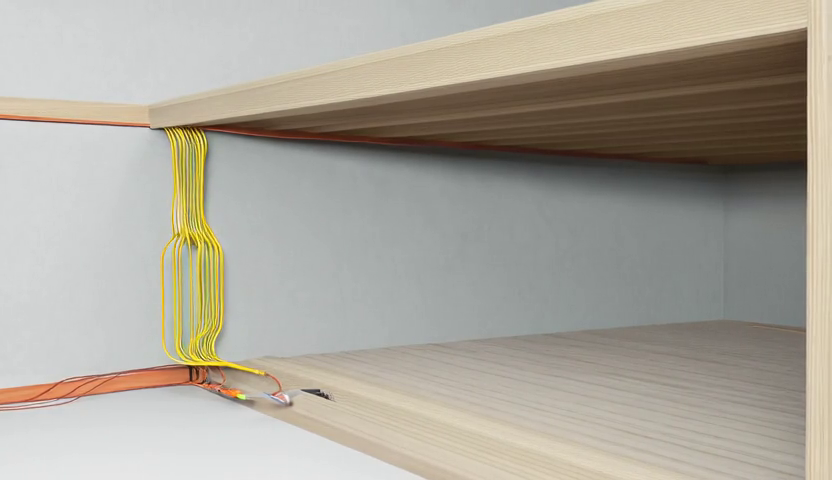
One of the most significant hidden electrical dangers lies within the walls of your home. Wiring that is not visible can still pose serious risks, especially when it comes to heat buildup and insulation failure.
Heat Buildup and Insulation Issues
Electrical wiring generates heat as it carries current, and if there are issues such as overloading or damage, this heat can accumulate. Insulation failures can exacerbate these problems, leading to:
- Overheating: This can cause insulation to melt, exposing wires and increasing the risk of electrical fires.
- Short Circuits: Damaged wiring can lead to short circuits, which can result in sparks and fires.
Identifying Risks in Your Walls
Homeowners should be proactive in identifying risks associated with hidden wiring. Regular electrical inspections by certified professionals can help detect hidden issues before they become dangerous.
The Perils of Aging Wires and Overloaded Circuits
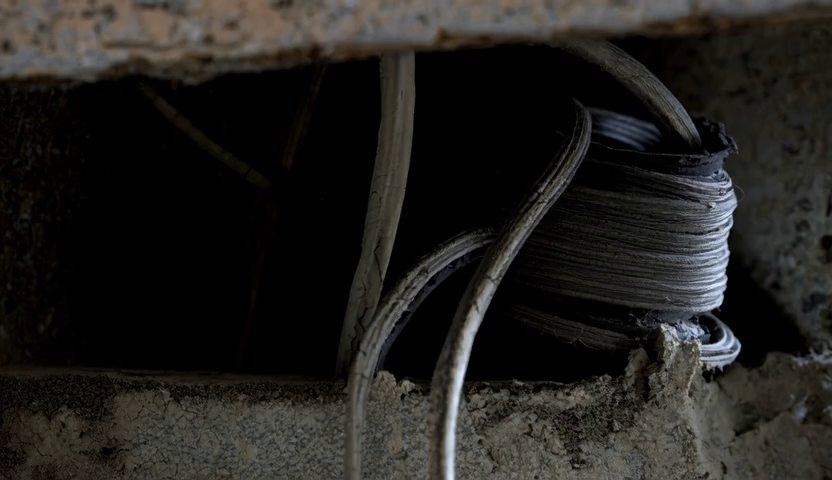
Aging electrical systems are often a significant source of hidden dangers. Outdated wiring can become brittle and unsafe, while overloaded circuits can gradually build heat, creating a fire hazard.
Recognizing Age-Related Wiring Problems
Older homes, particularly those built before the 1980s, may still have wiring that does not meet current safety standards. Common problems include:
- Brittle insulation: As wires age, insulation can crack, exposing live wires.
- Undersized circuits: Older systems may not handle the electrical load of modern appliances, leading to overloads.
Consequences of Ignoring Aging Wiring
Failing to address aging wiring can have severe consequences, including:
- Increased risk of electrical fires.
- Frequent tripping of circuit breakers.
- Potential injury to household members.
The Risks of DIY Electrical Repairs
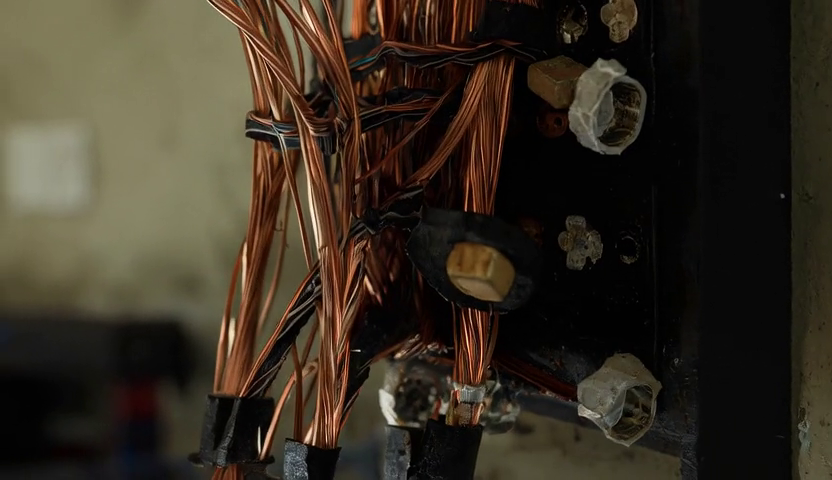
Many homeowners may attempt to undertake DIY electrical repairs to save money. However, improper repairs can create significant risks, particularly if they increase resistance and lead to overheating behind the walls.
Common DIY Mistakes to Avoid
Some prevalent DIY mistakes that can lead to electrical hazards include:
- Using the wrong gauge wire: Incorrect wire sizes can cause overheating.
- Improper connections: Poorly connected wires can increase resistance, leading to heat buildup.
When to Call a Professional
It is advisable for homeowners to call a licensed electrician for any electrical work, particularly for complicated tasks or when safety is a concern. Professional electricians have the training and tools to ensure that repairs are made safely and up to code, drastically reducing the risk of accidents.
Recognizing Early Warning Signs of Electrical Danger

Being able to identify early warning signs can make a significant difference in preventing electrical hazards. Homeowners should be vigilant for symptoms that indicate potential electrical issues.
Common Warning Signs to Watch For
Some frequent indicators of hidden electrical dangers include:
- Flickering lights: This can indicate overloaded circuits or faulty wiring.
- Warm walls: If walls feel warm to the touch, this could indicate overheating wiring.
- Burning smells: A burning smell near electrical outlets or switches is a serious warning sign that should not be ignored.
Importance of Prompt Action
If any of these warning signs are observed, it is crucial to take immediate action. Ignoring these signs can lead to severe consequences, including electrical fires or significant damage to your home.
Preventing Hidden Electrical Dangers Through Inspection
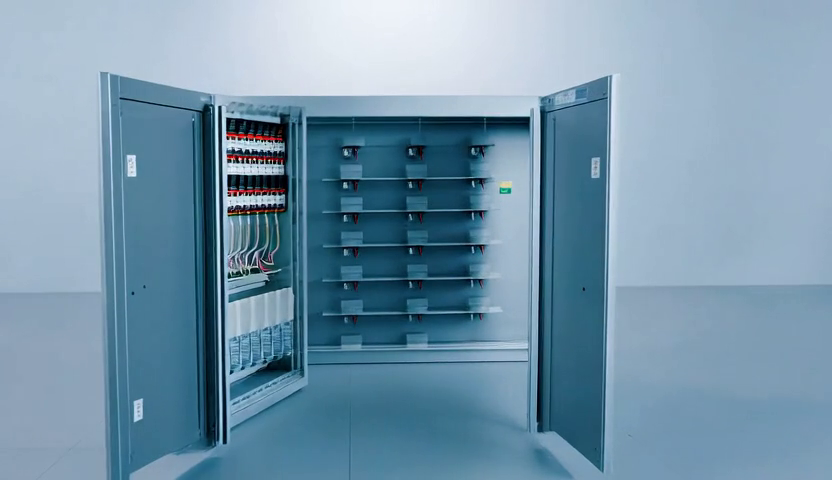
Regular inspections are the cornerstone of preventing hidden electrical dangers in the home. Homeowners should prioritize these inspections to ensure the safety and functionality of their electrical systems.
Steps for Effective Electrical Inspections
To maintain electrical safety, homeowners should consider the following inspection strategies:
- Schedule Regular Professional Inspections: Hire a licensed electrician to conduct thorough inspections at least every five years.
- Check for Code Compliance: Ensure that all wiring and electrical work conforms to current safety codes.
- Look for Signs of Wear: Regularly check outlets, switches, and visible wiring for signs of damage or wear.
Creating an Electrical Safety Plan
In addition to regular inspections, homeowners should create an electrical safety plan that includes:
- Emergency contact information for licensed electricians.
- A list of all major electrical appliances and their maintenance schedules.
- Regular review and updates to the electrical system as necessary.