
Hidden Fire Hazards in Plain Sight
Everyday household items that quietly increase the risk of accidental fires
ℹ️Important Information
Watch the video below to learn more about this topic. This comprehensive guide provides essential information to help you understand the key concepts.
Understanding the Cozy Home's Hidden Risks

While a cozy home might feel safe and inviting, it can harbor multiple hidden fire hazards. Common areas of concern include clutter near heating appliances, improperly stored flammable materials, or outdated electrical wiring. Many homeowners overlook these details, assuming that as long as the space appears clean, it is also safe.
What Homeowners Usually Overlook
- Cluttered Spaces: Items stacked near heat sources can easily ignite.
- Old Wiring: Aging electrical systems can create overheating risks.
- Flammable Decorations: Fabrics and other materials, if too close to heat, can catch fire easily.
Consequences of Ignoring Risks
If these hidden fire hazards are ignored, the consequences can be dire. Not only could a small fire lead to significant property damage, but it could also pose a threat to the lives of the occupants. Fire can spread rapidly, and in a matter of minutes, a home can become engulfed in flames.
Simple Safe Action to Take
To mitigate these risks, perform a thorough fire risk assessment of your home. This involves checking for clutter, inspecting electrical systems, and ensuring that all flammable materials are stored properly and away from heat sources. Regularly schedule maintenance checks for heating appliances and wiring to keep your home safe.
Lint Buildup in Dryer Exhaust Pipes
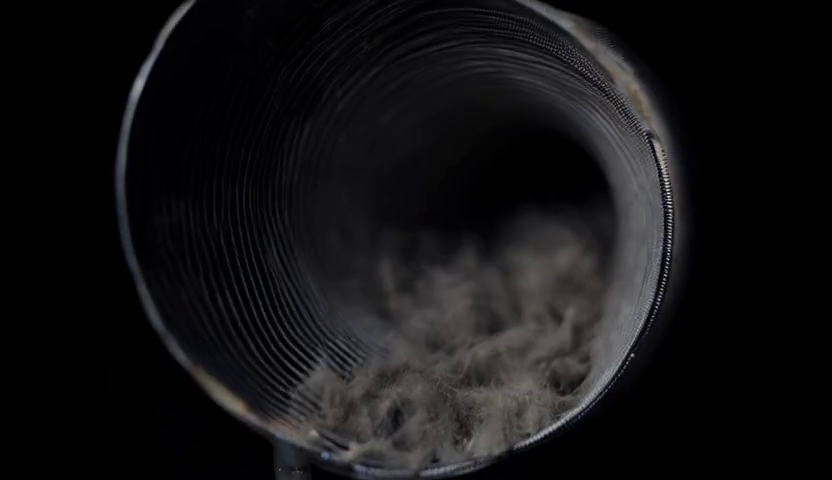
Dryer exhaust pipes often accumulate lint, which is a highly flammable material. While this may seem like a minor inconvenience, lint buildup can drastically increase the risk of a fire. Homeowners frequently overlook this area, assuming that their dryers are functioning properly as long as they are drying clothes.
What Homeowners Usually Overlook
- Regular Cleaning: Many people do not clean their dryer vents regularly, leading to dangerous levels of lint accumulation.
- Installation Issues: Improperly installed ducts can trap lint and create blockages.
- Awareness of Symptoms: Signs like longer drying times or a burning smell are often ignored.
Consequences of Ignoring Risks
Failing to address lint buildup can result in not just a fire but also increased energy costs due to inefficiencies in drying clothes. The National Fire Protection Association (NFPA) reports that clogged dryer vents are a leading cause of house fires in the U.S.
Simple Safe Action to Take
Homeowners should clean their dryer vents at least once a year. In addition, consider using a professional service for a thorough inspection and cleaning to ensure that the venting system is clear of lint and other debris, greatly reducing the risk of a fire.
Overloaded Power Strips
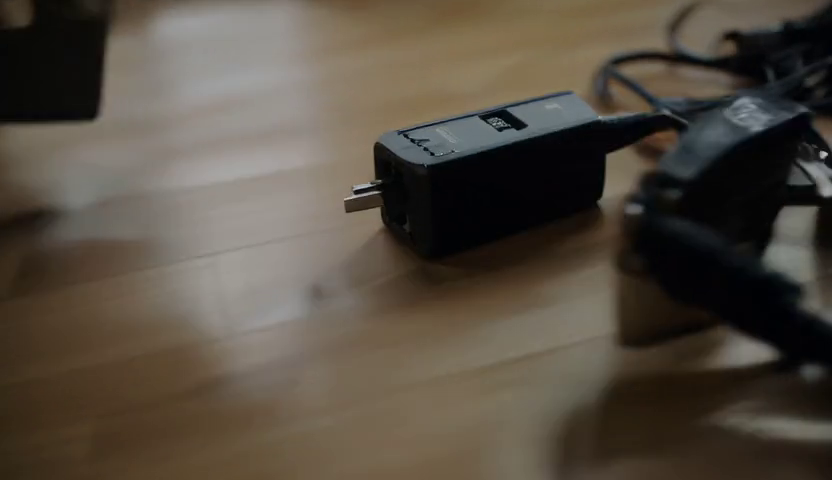
Power strips are a common tool for providing extra electrical outlets in homes, but they can also pose serious fire risks if overloaded. Homeowners often plug multiple devices into a single power strip without considering the electrical load, leading to overheating.
What Homeowners Usually Overlook
- Load Limits: Each power strip has a specified wattage limit that should never be exceeded.
- Signs of Damage: Frayed cords or discolored plugs are often ignored.
- Use of Extension Cords: Many use extension cords as permanent solutions instead of addressing the need for additional outlets.
Consequences of Ignoring Risks
Overloading power strips can lead to overheating, which may cause sparks, smoke, or even flames. According to the NFPA, electrical distribution and lighting equipment were involved in approximately 13% of home fires.
Simple Safe Action to Take
To prevent overloads, always check the wattage and amperage ratings of your power strips and ensure that you do not exceed these limits. Additionally, consider having a licensed electrician install more outlets if you frequently use multiple devices in one area.
Dirty Kitchen Grease Filters
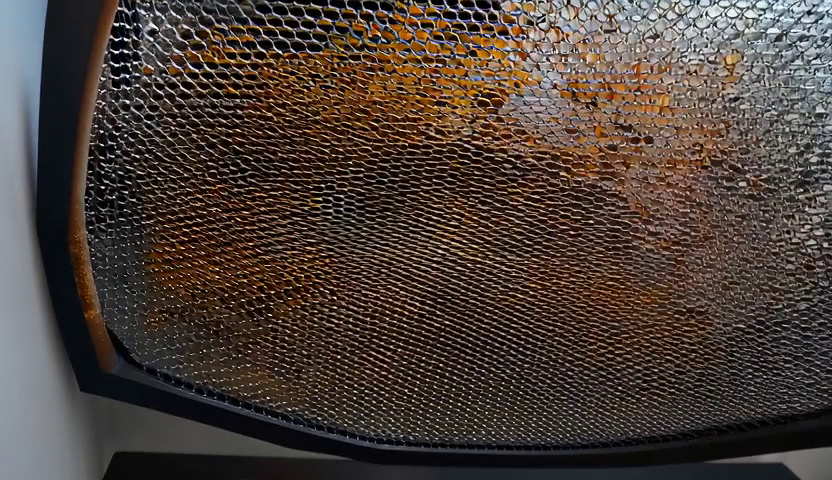
The kitchen is often the heart of a home, but it can also be a hotspot for fire hazards. One often-overlooked risk is the accumulation of grease in kitchen vent filters. Homeowners may neglect to clean these filters regularly, not realizing how flammable grease can become.
What Homeowners Usually Overlook
- Frequency of Cleaning: Many think cleaning filters is unnecessary if they are not visibly dirty.
- Proper Cooking Practices: Ignoring the importance of monitoring cooking food can lead to grease fires.
- Awareness of Flammable Materials: Having flammable materials near the stove can exacerbate fire risks.
Consequences of Ignoring Risks
Ignoring grease buildup can result in kitchen fires, which are among the most common types of household fires. In fact, cooking-related fires account for nearly half of all reported home fires, according to the NFPA.
Simple Safe Action to Take
Regularly clean your kitchen grease filters, ideally every month or more frequently if you cook often. Additionally, ensure that flammable materials are kept at a safe distance from the stove to minimize fire risks.
Importance of Regular Smoke Alarm Tests

Smoke alarms are a critical component of fire safety, yet many homeowners do not test them regularly. A functioning smoke alarm can be the difference between life and death during a fire, making it imperative to maintain them properly.
What Homeowners Usually Overlook
- Testing Frequency: Many people only test their smoke alarms during daylight saving time changes, which is insufficient.
- Battery Replacement: Homeowners often forget to change the batteries, leading to non-functional alarms.
- Age of the Alarm: Smoke alarms have a lifespan and should be replaced every ten years.
Consequences of Ignoring Risks
If smoke alarms are not properly maintained, they may fail to alert homeowners of dangerous smoke levels, leading to catastrophic outcomes. A home without working smoke alarms is significantly more likely to experience fatalities in a fire.
Simple Safe Action to Take
Test your smoke alarms monthly and replace the batteries at least once a year. Additionally, mark your calendar to replace smoke alarms every ten years, ensuring a reliable safety mechanism is always in place.
Creating a Safety-Prepared Home
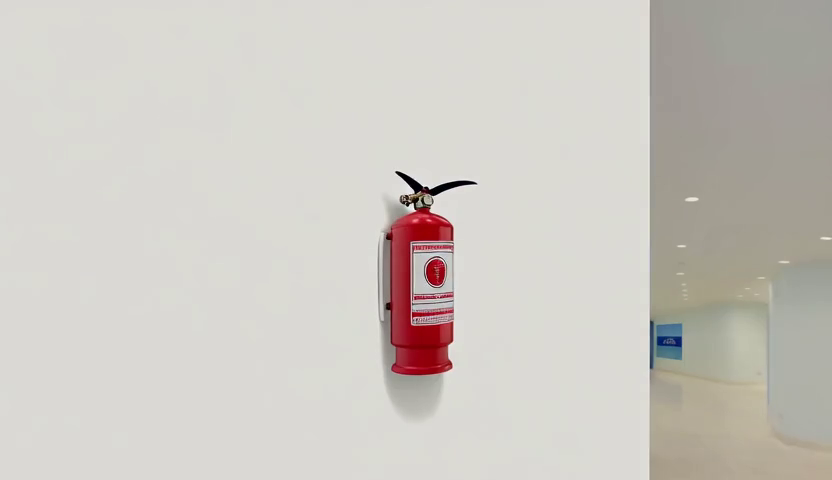
To effectively minimize fire hazards, creating a well-prepared home environment is essential. This involves being proactive about fire safety and ensuring that all necessary equipment is in place and functioning properly.
What Homeowners Usually Overlook
- Emergency Plans: Many families do not have an established escape plan in the event of a fire.
- Fire Extinguishers: Homeowners often neglect to place fire extinguishers in accessible locations or forget to check their expiration dates.
- Regular Drills: Practicing fire drills is often overlooked, leaving family members unprepared.
Consequences of Ignoring Risks
Without adequate fire preparation, families may panic during an emergency, leading to confusion and potential harm. Ensuring that all family members know how to react can save lives and reduce injuries.
Simple Safe Action to Take
Establish a fire escape plan and practice it with all household members. Ensure that fire extinguishers are placed in key areas, such as the kitchen and near bedrooms, and check them regularly to ensure they are in good working order.
To effectively minimize fire hazards, creating a well-prepared home environment is essential. This involves being proactive about fire safety and ensuring that all necessary equipment is in place and functioning properly.
What Homeowners Usually Overlook
- Emergency Plans: Many families do not have an established escape plan in the event of a fire.
- Fire Extinguishers: Homeowners often neglect to place fire extinguishers in accessible locations or forget to check their expiration dates.
- Regular Drills: Practicing fire drills is often overlooked, leaving family members unprepared.
Consequences of Ignoring Risks
Without adequate fire preparation, families may panic during an emergency, leading to confusion and potential harm. Ensuring that all family members know how to react can save lives and reduce injuries.
Simple Safe Action to Take
Establish a fire escape plan and practice it with all household members. Ensure that fire extinguishers are placed in key areas, such as the kitchen and near bedrooms, and check them regularly to ensure they are in good working order.