
Easy DIY Home Repairs for Homeowners: A Comprehensive Guide
Homeownership comes with its set of challenges, especially when it comes to maintenance. This guide will empower you with practical DIY solutions to common household issues, saving you time and money.
ℹ️The Importance of DIY Repairs
Understanding the significance of DIY repairs is crucial for every homeowner. Not only do they save costs, but they also foster a sense of independence and self-reliance. Homeowners who engage in DIY projects often report increased satisfaction with their living space, as they can personalize and maintain it to their liking. Additionally, regular DIY maintenance can help detect potential problems early, preventing more extensive damage and expensive repairs down the line. Embracing a DIY mindset can transform the way you view homeownership, making it a more rewarding experience.
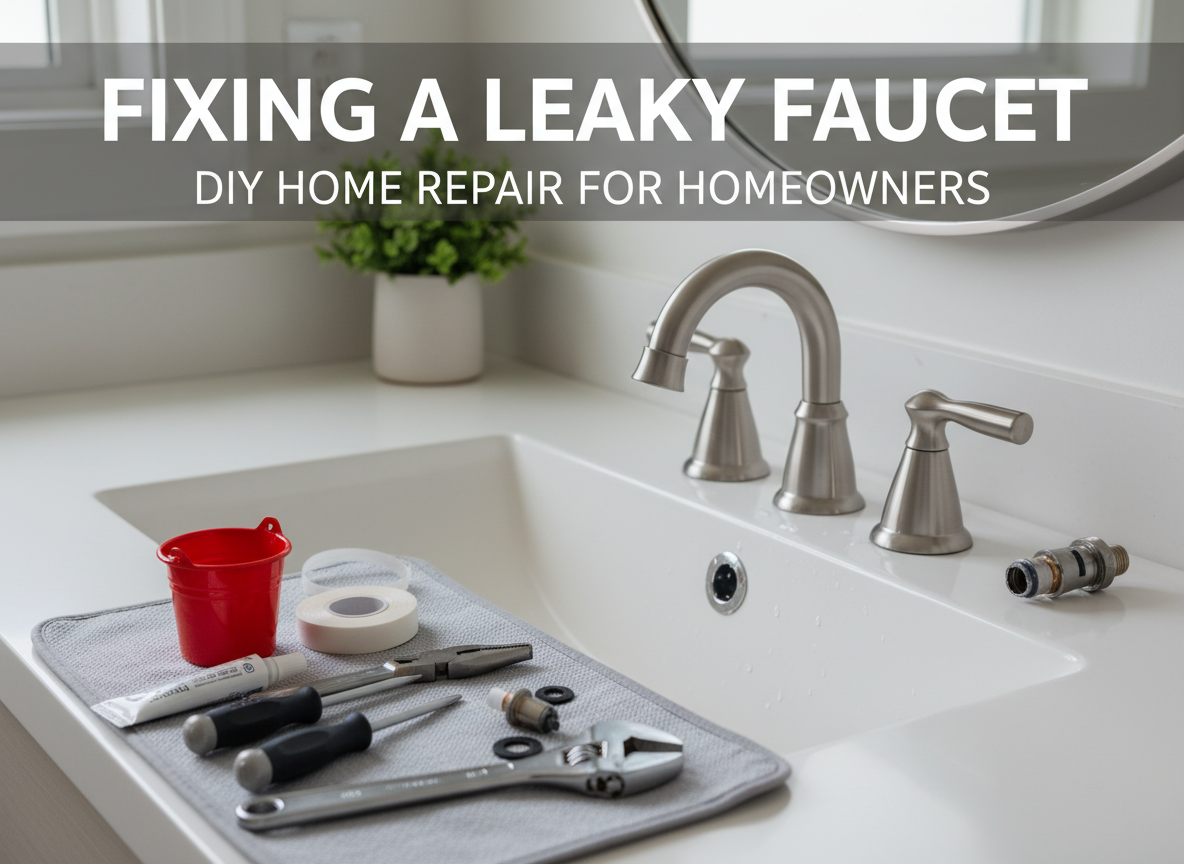
Fixing a Leaky Faucet
A leaky faucet can waste a significant amount of water over time, leading to higher water bills and environmental concerns. To fix it, first, turn off the water supply by locating the shutoff valves under the sink. Next, disassemble the faucet using a screwdriver to remove the handle and access the cartridge. Once you have access, inspect the washer and replace it if it's worn out. Reassemble the faucet and turn the water supply back on to check for leaks. This simple repair not only conserves water but also enhances your plumbing skills.

Unclogging Drains
Clogged drains are a common issue that can often be resolved with DIY tactics. Start by boiling water and pouring it down the drain to help dislodge debris. If that doesn't work, try using a mix of baking soda and vinegar to break down buildup. Let it sit for about 30 minutes before flushing with hot water. For tougher clogs, a plumber's snake can be an effective tool to manually remove blockages. Regular maintenance of your drains can save you from costly plumbing repairs and keep your home running smoothly.

Painting Walls
A fresh coat of paint can transform a room and give it a new lease on life. Begin by selecting the right paint and color for your space, considering factors like lighting and room size. Prepare the walls by cleaning them and patching any holes or imperfections. Use painter's tape to protect edges and create clean lines. Apply primer if necessary, and then start painting from the top down. Multiple coats may be needed for even coverage. Not only does painting enhance your home's aesthetics, but it's also a rewarding DIY project that allows for personal expression.

Cost Efficiency
One of the primary benefits of DIY home repairs is the cost savings. By taking on tasks yourself, you eliminate labor costs associated with hiring professionals. This can lead to significant savings, especially for larger projects. Furthermore, many DIY repairs can be completed using materials you already have around the house, further reducing expenses. Engaging in DIY activities not only helps you save money but also allows you to allocate your budget toward other home improvement projects or personal interests.
Skill Development
Tackling DIY projects helps develop your skills and knowledge as a homeowner. Each task you complete builds your confidence and ability to handle future repairs. Over time, you can learn valuable skills such as plumbing, electrical work, and carpentry. This knowledge not only empowers you to maintain your home effectively but can also be a fun and rewarding experience. Additionally, the skills you acquire can be useful for friends and family, as you can assist them with their home repair needs.
Increased Home Value
Regular DIY maintenance and repairs can significantly enhance your home's value. By keeping your property in good condition, you prevent deterioration and the need for extensive repairs in the future. Prospective buyers are often attracted to well-maintained homes, and they are willing to pay more for properties that have been cared for. Simple DIY projects, such as painting, landscaping, and minor repairs, can have a substantial impact on your home's curb appeal and overall market value.