Smart Home Automation for Beginners: A Comprehensive Guide
Unlock the power of technology in your home with smart automation. This guide provides essential insights and tips to help you seamlessly integrate smart devices into your daily life.
If you're looking to simplify your life and enhance your home's efficiency, smart home automation is the way to go. This beginner's guide will walk you through the essential aspects of setting up a smart home, providing practical tips, easy solutions, and the best devices to get started. From smart lighting to security systems, this guide will help you navigate the vast world of home automation, ensuring you can enjoy a more convenient and secure living environment.
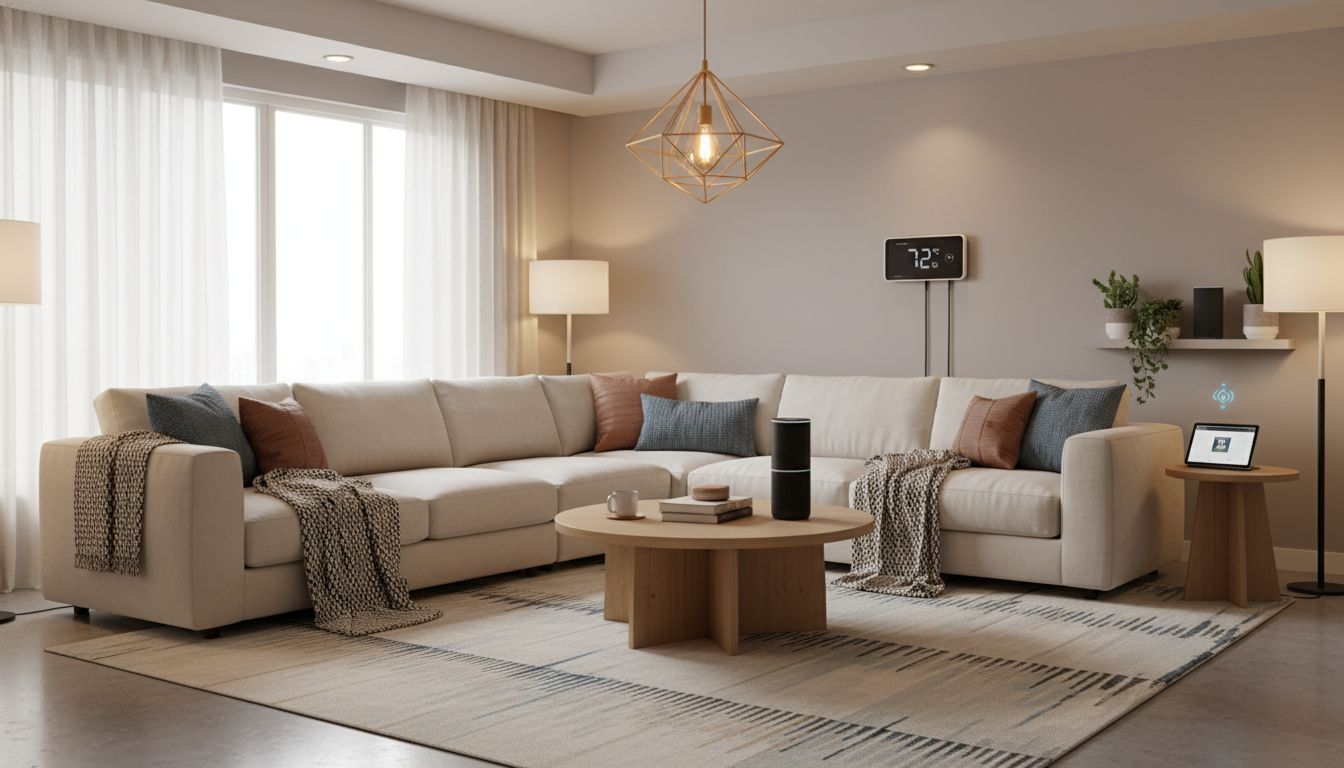
A modern living room equipped with various smart home devices, illustrating the potential of home automation.
Smart home automation refers to the use of technology to control various home devices through the internet. This encompasses smart lighting, heating, security systems, and appliances, all managed from a central app or through voice commands. Although the technology may seem daunting for beginners, it greatly enhances convenience, safety, and energy efficiency in your home. As you venture into the world of smart automation, you'll discover numerous ways to simplify daily tasks and improve your overall home experience.
Convenience
Automating daily tasks such as turning off lights or adjusting the thermostat can significantly enhance your daily routine. Imagine coming home to a well-lit space without needing to fumble for light switches. Smart home devices streamline these processes, allowing you to control your environment effortlessly, be it through apps or voice commands. This convenience is particularly beneficial during busy mornings or late-night returns when ease of access is paramount.
Energy Efficiency
Smart home automation allows you to monitor and control energy usage effectively, which can lead to lower utility bills. For instance, smart thermostats learn your schedule and adjust heating and cooling according to your preferences, ensuring energy is not wasted when you're not home. Similarly, smart light bulbs can be programmed to turn off when not in use, reducing unnecessary energy consumption. This not only saves money but also contributes to a more sustainable lifestyle.
Enhanced Security
Incorporating smart security devices such as locks, cameras, and motion detectors can significantly improve your home's safety. These devices allow for remote monitoring, enabling you to keep an eye on your property from anywhere via your smartphone. With features like instant alerts and the ability to lock/unlock doors remotely, smart security systems offer peace of mind, knowing you can respond immediately to any potential threats. This heightened security is invaluable for families and individuals alike.
Customization
One of the most appealing aspects of smart home automation is the level of customization it offers. You can tailor your home environment to fit your lifestyle and preferences. For example, you can set specific lighting scenes for different occasions, adjust the thermostat based on personal comfort, and even create routines that automate multiple tasks at once. This level of personalization ensures that your home reflects your unique lifestyle and enhances your overall living experience.
To kick off your journey into smart home automation, you'll need to consider a few key components. Identifying the areas of your home you wish to automate is crucial. Common categories include lighting, heating and cooling, security, entertainment, and appliances. Each category presents unique opportunities for automation and efficiency. For example, automating lighting can enhance mood and security, while smart thermostats can optimize your home's climate control. Taking the time to assess your needs will pave the way for a more successful automation experience.
ℹ️Tip for Beginners
Before investing in smart home devices, it's essential to establish a clear plan. Start by determining which areas in your home need automation the most. A phased approach allows you to gradually integrate devices, making it easier to troubleshoot and adapt as you learn more about home automation. Research the compatibility of devices with your chosen smart home hub to ensure seamless integration. This strategic planning will help you create a cohesive and effective smart home ecosystem.
A smart home hub acts as the central control point for all your devices, enabling them to communicate with each other. Popular options like the Amazon Echo (Alexa), Google Nest Hub, and Apple HomePod (Siri) each have distinct ecosystems. Choosing the right hub is crucial as it determines the compatibility with various smart devices. For instance, if you have a collection of Philips Hue lights, you may prefer a hub that integrates well with those specific products. Understanding these ecosystems will enhance your smart home setup and user experience.
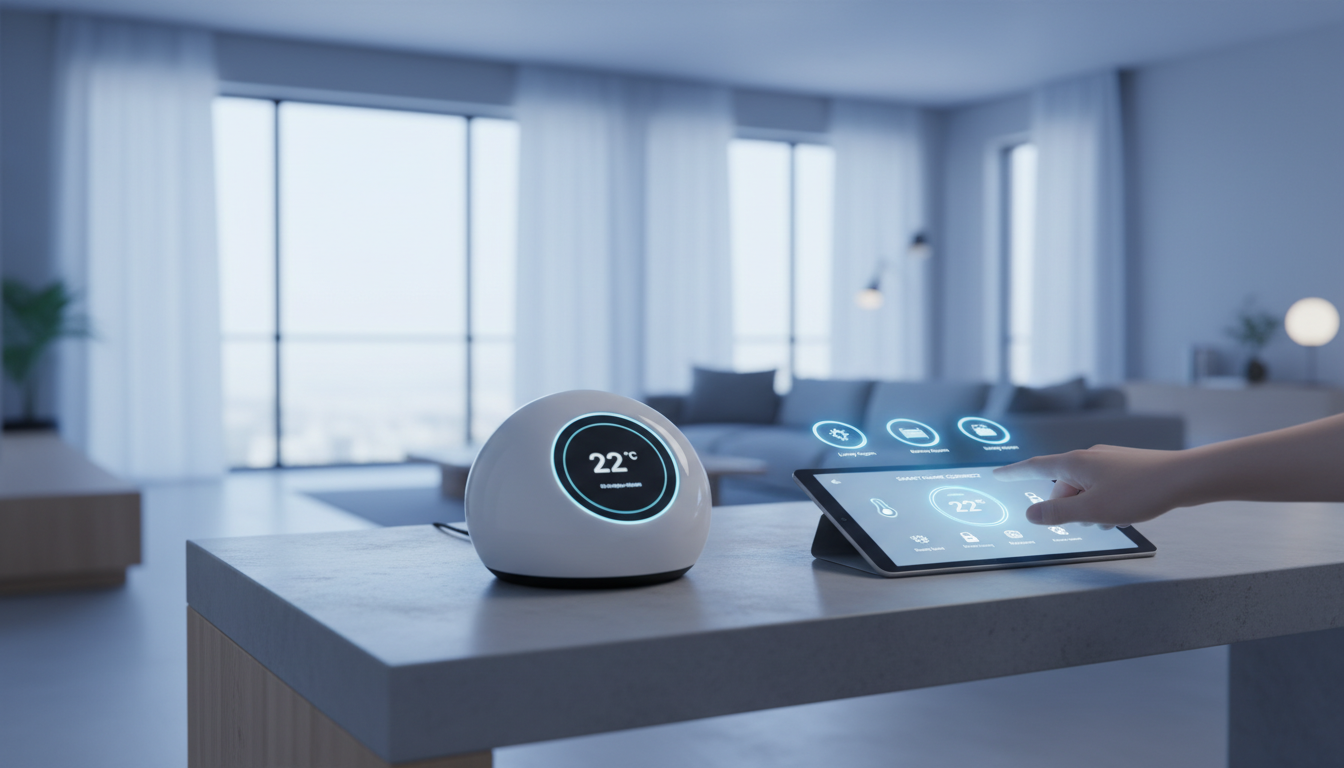
A smart home hub interface showcasing various connected devices and their statuses.
Choosing the right devices is crucial for a successful smart home setup. Here’s a list of the best smart home devices for beginners: Smart lights like Philips Hue and LIFX allow you to control brightness and color, enhancing your ambiance. Smart thermostats such as Nest and Ecobee learn your routines to optimize heating and cooling. Smart security cameras provide peace of mind, enabling you to monitor your home remotely. By starting with these essential devices, you’ll build a robust foundation for your smart home that can be expanded over time.