How Smart Home Devices Communicate
Understanding the communication methods of smart home devices is crucial for enhancing your living space. This guide explores various protocols, networking methods, and integration standards for a seamless smart home experience.
Understanding how smart home devices communicate is essential for any homeowner looking to enhance their living space with technology. Smart home devices utilize various protocols and networking methods to interact seamlessly, enabling everything from simple automation tasks to complex home management systems. This article dives deep into the communication methods used by smart devices, exploring IoT device communication, smart home protocols, and the standards that ensure interoperability for a smarter, more efficient home.
Smart home device communication fundamentally relies on various technologies and protocols. At the core, these devices are interconnected through the Internet of Things (IoT), which allows them to share data and work together. The most common communication methods include wireless communication, such as Wi-Fi, Zigbee, Z-Wave, and Bluetooth, which enable devices to connect to a central hub or directly to each other. Cloud integration is also prevalent, allowing devices to communicate through cloud services for remote access and control via smartphones or voice assistants. Additionally, some devices can communicate locally without relying on the cloud, enhancing speed and privacy. These communication methods allow devices to send and receive data efficiently, enabling automation and remote control features that define smart home technology integration.
Protocols play a crucial role in the communication process between smart devices, determining how they interact and share information. The most common smart home protocols include Wi-Fi, Zigbee, and Z-Wave. Wi-Fi is the most widely used protocol, allowing high-speed data transmission and the connection of multiple devices within a home network. Zigbee, on the other hand, is a low-power, mesh networking protocol designed for smart home applications, facilitating communication over short distances while conserving energy. Z-Wave is similar to Zigbee but focuses on reliable communication and low power usage, making it ideal for battery-operated devices. Each of these protocols offers unique benefits, contributing to the overall functionality and efficiency of smart home ecosystems.
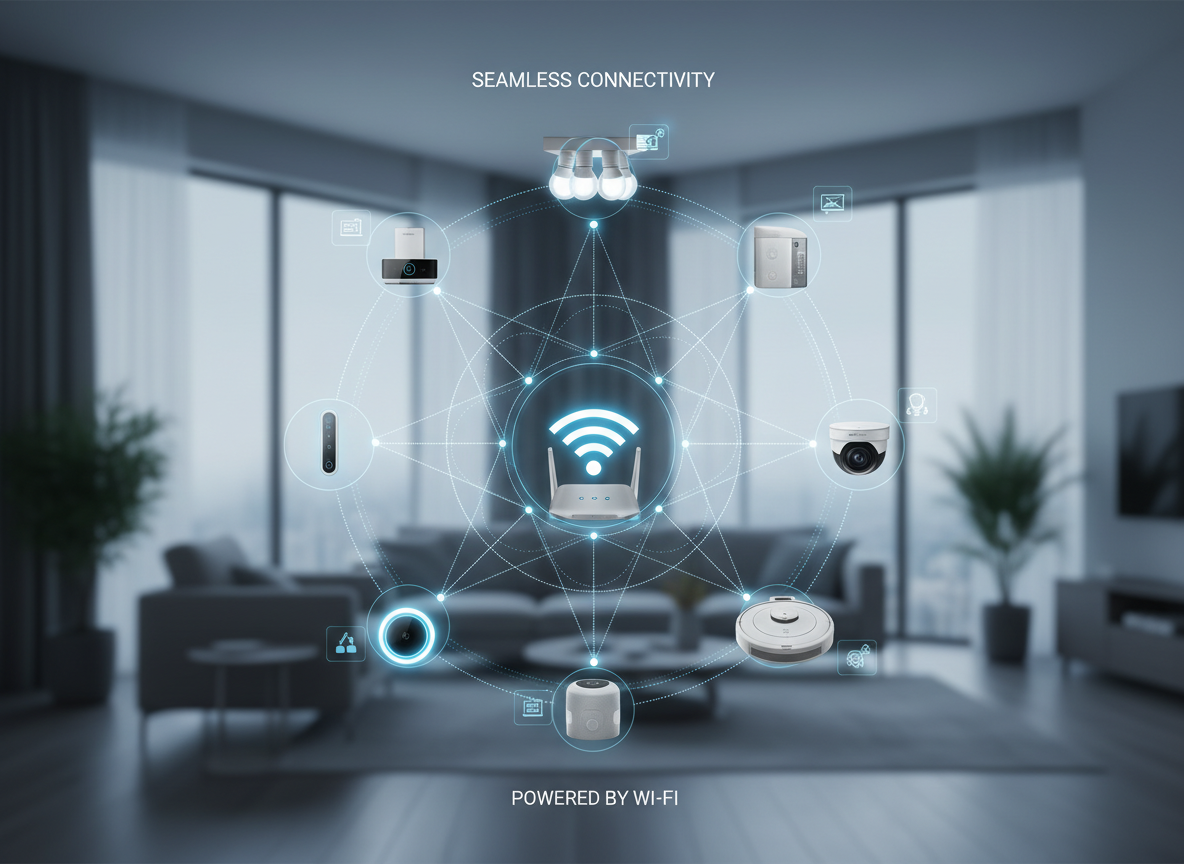
Wi-Fi
Wi-Fi is the backbone of most smart home networks, allowing devices to connect seamlessly to the internet. Its high-speed data transmission capabilities support a wide range of devices, including smart speakers, cameras, and lights. Wi-Fi networks can handle multiple connections without compromising performance, making it a preferred choice for many homeowners. However, the reliance on a stable internet connection can sometimes lead to issues if the connectivity is poor or interrupted.
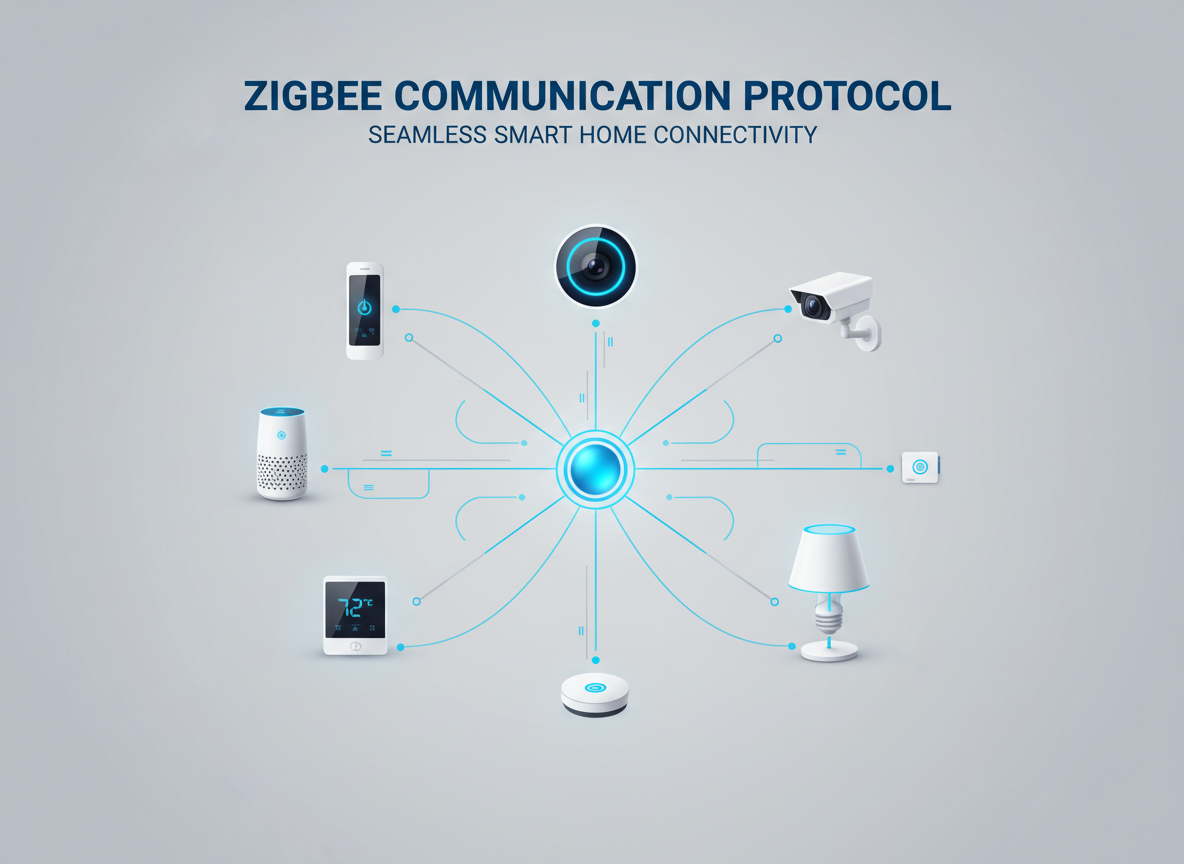
Zigbee
Zigbee is designed specifically for low-power, short-range communication. This protocol enables devices to form a mesh network, meaning devices can relay messages to each other. This not only extends the range of the network but also enhances reliability. Zigbee is ideal for devices that require minimal power, such as sensors and light bulbs, which is crucial for battery-operated equipment that needs to last for extended periods without frequent recharging.
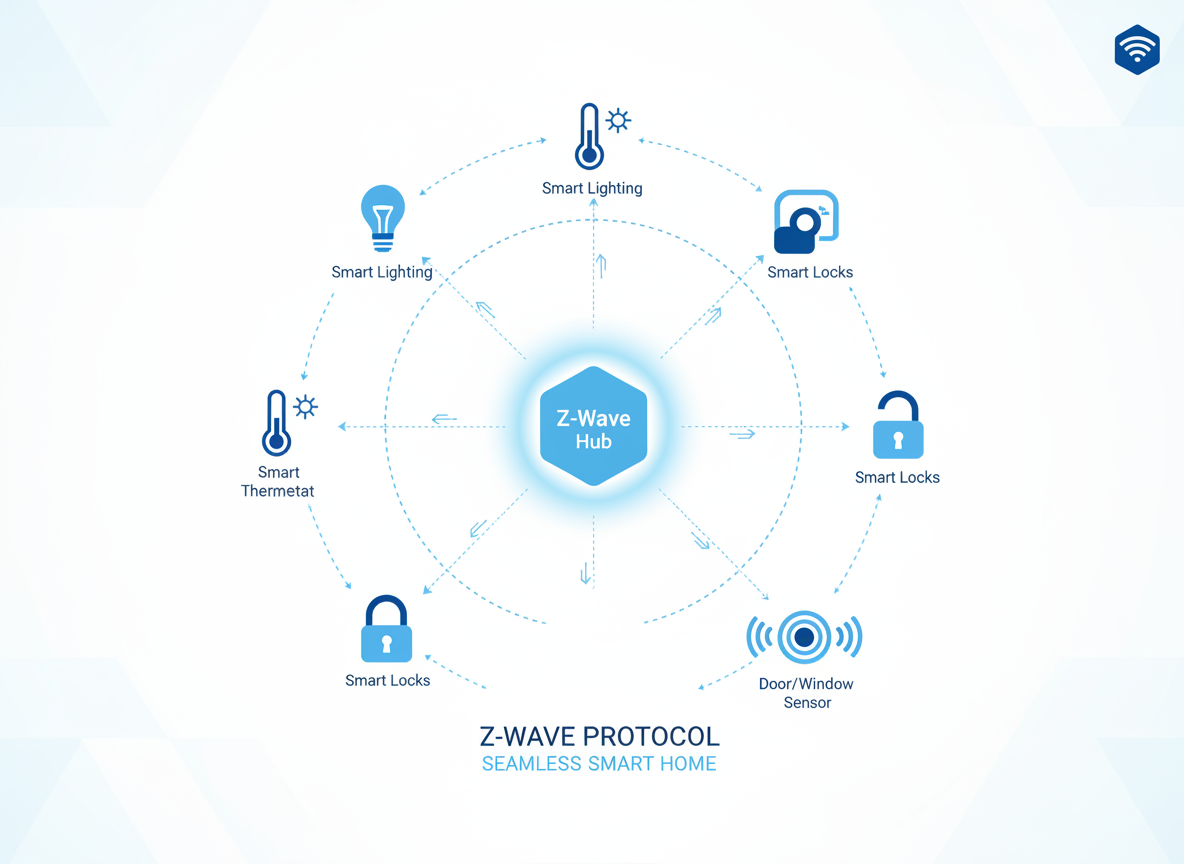
Z-Wave
Z-Wave is another popular protocol used in smart homes, emphasizing reliability and low power consumption. It operates on a different frequency than Wi-Fi and Zigbee, which helps to minimize interference. Z-Wave’s mesh networking capabilities allow devices to communicate quickly and effectively, ensuring that commands are executed without delay. This protocol is particularly favored for home security devices and automation systems due to its proven reliability.
ℹ️Key Considerations for Smart Home Communication
When setting up a smart home, it’s important to choose devices that use compatible communication protocols. This ensures seamless integration and functionality across your entire system. Consider factors such as range, reliability, and power consumption of the protocols. Wi-Fi is great for high-bandwidth applications, while Zigbee and Z-Wave are excellent for low-power devices. Additionally, think about the importance of cloud versus local communication, as some homeowners prefer devices that can operate independently of the internet for privacy and speed.
Frequently Asked Questions
What is the Internet of Things (IoT)?
The Internet of Things (IoT) refers to the interconnected network of devices that communicate and share data with each other via the internet. Smart home devices, such as thermostats, lights, and security cameras, are all part of the IoT ecosystem. These devices use various communication protocols to connect, allowing users to control and monitor their homes remotely through smartphones or voice-activated systems. The IoT enhances convenience, efficiency, and security in everyday life.
How do I choose the right smart home devices?
Choosing the right smart home devices involves considering compatibility, ease of use, and specific needs. Ensure that the devices you select work well together by checking if they support the same communication protocols. Think about what features are most important to you—whether it’s energy efficiency, security, or automation. Additionally, consider user reviews and the reputation of the manufacturers to ensure you are investing in reliable technology that meets your expectations.