How Smart Home Assistants Operate: A Comprehensive Guide
Discover the transformative power of smart home assistants and how they seamlessly integrate into our daily lives. Explore their functionalities, technology, and the impact they have on home automation.
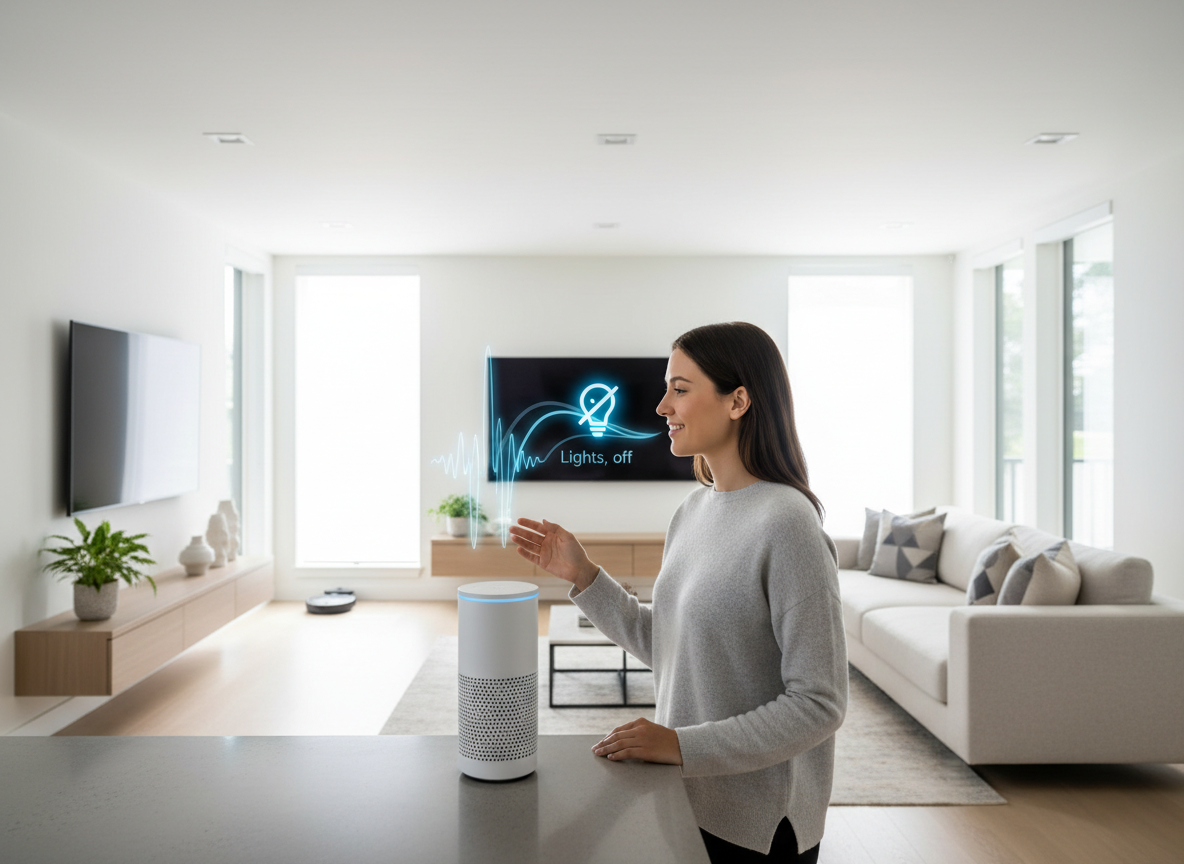
Smart home assistants are revolutionizing the way we interact with technology in our daily lives. These devices, powered by advanced AI technology, enable users to control various smart home devices using voice commands or mobile applications. Essentially, smart home assistants act as central hubs in smart home automation systems, facilitating communication between different devices, providing information, and enhancing the overall user experience. In this article, we'll explore how smart home assistants work, their technology, functionalities, and features, as well as their role in smart home integration.
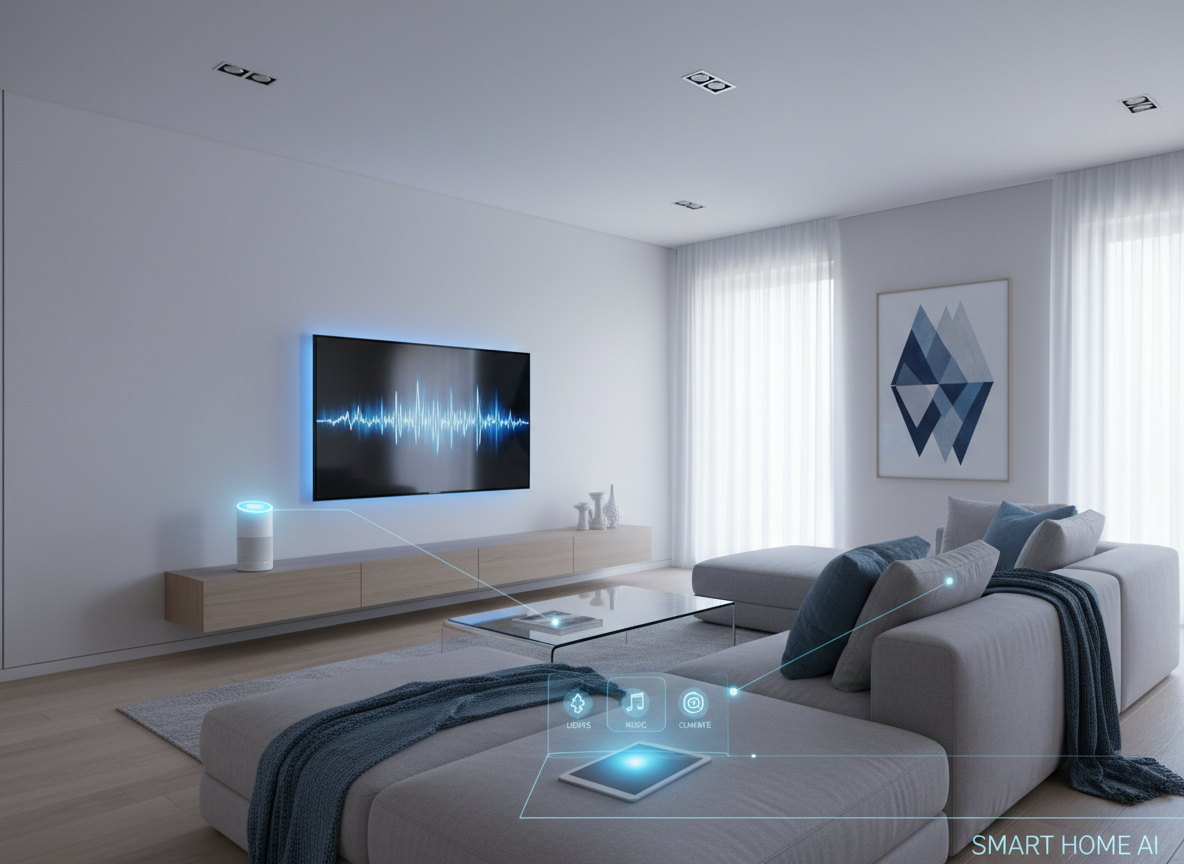
At the core of smart home assistants lies a combination of hardware and software designed to process voice commands and manage connected devices. Key components include voice recognition technology, which enables the device to understand commands, and artificial intelligence that personalizes user interactions. Additionally, cloud computing facilitates data processing and storage, providing instant responses to commands. Integration protocols allow these assistants to communicate with various devices, making it easy to control the entire smart home ecosystem from a single interface.
Voice Recognition Technology
Smart home assistants utilize advanced voice recognition software to understand and process user commands. This technology includes natural language processing (NLP) capabilities that allow the device to comprehend various accents and dialects, ensuring smooth and effective communication. This feature makes it easier for users from different backgrounds to interact with their smart devices.
Artificial Intelligence (AI)
AI plays a pivotal role in how smart home assistants operate, learning user preferences over time and enabling more personalized interactions. The algorithms analyze data collected from user interactions to improve responses and action accuracy. This allows the assistant to adapt to individual user needs, making device control more intuitive and efficient.
Cloud Computing
Many smart home assistants rely on cloud computing for data storage and processing. When a command is issued, the voice data is sent to the cloud, where it is processed and a response is generated before being sent back to the device. This method not only enhances the speed of response but also allows for continuous updates and improvements to the assistant's capabilities.
The process of understanding and executing voice commands involves several critical steps that ensure accuracy and efficiency. First, audio capture occurs through built-in microphones that can detect voice from multiple angles, providing a seamless user experience. Next, the speech recognition technology converts the captured audio into text, enabling the assistant to understand the user's request. This process is crucial as it sets the foundation for accurate command execution.
ℹ️Key Takeaway
Smart home assistants are designed to enhance user interaction with technology through advanced voice recognition, AI learning, and robust cloud computing. Understanding their components and functionalities can significantly improve your experience in managing a smart home. Embrace the technology to streamline daily tasks and create a more efficient living environment.
Frequently Asked Questions
What types of devices can smart home assistants control?
Smart home assistants can control a wide range of devices, including smart lights, thermostats, security cameras, door locks, and appliances. They use various integration protocols to communicate with these devices, allowing users to manage their entire home environment from a single interface. This interoperability not only simplifies control but also enhances the overall efficiency of home automation.
Are smart home assistants secure?
Security is a major concern for users of smart home assistants. Most reputable brands implement strong encryption and security protocols to protect user data and privacy. Users are encouraged to take additional security measures, such as using strong, unique passwords and enabling two-factor authentication when available. Regular software updates also play a crucial role in maintaining security and improving device functionality.