How to Lower Energy Bills at Home: Practical Tips and Solutions
Reducing energy bills not only saves you money but also contributes to environmental sustainability. Explore our comprehensive guide for effective strategies that will help you cut down on your utility costs while making your home more energy-efficient.
Reducing energy bills at home is not only beneficial for your wallet but also crucial for the environment. Homeowners can significantly cut down on electricity costs by implementing simple changes and utilizing energy-efficient technologies. In this article, we will explore various energy-saving tips and methods that can help you effectively lower your utility bills. From improving home insulation to adopting smart home devices, we cover a range of strategies to create a more energy-efficient living space. Each approach is designed to provide tangible benefits, making it easier for you to embrace a lifestyle that is both cost-effective and eco-friendly.
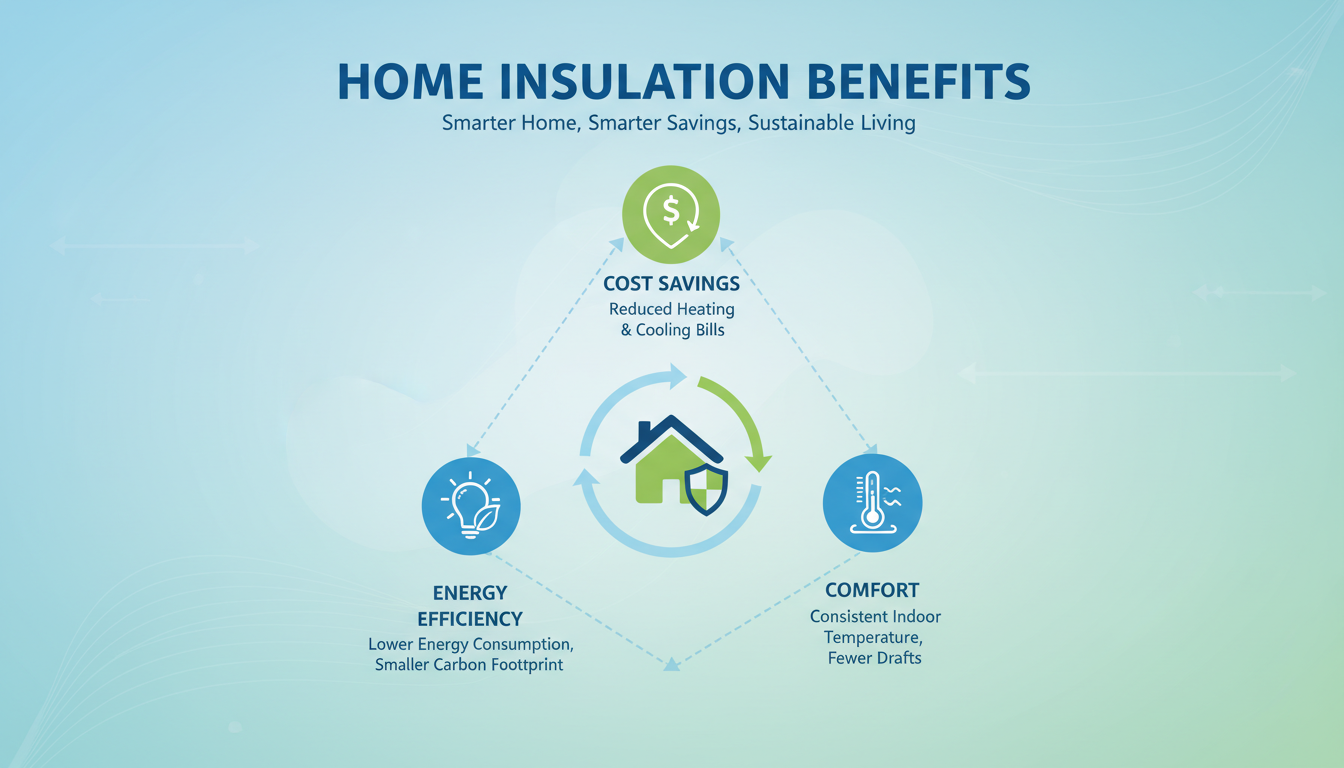
A diagram showing the benefits of home insulation
One of the most effective ways to reduce energy bills is by enhancing your home's insulation. Proper insulation helps maintain a consistent temperature, reducing the need for heating and cooling systems. Here are some key areas to focus on: Attic and Roof Insulation is essential since heat rises and can escape through the roof. Adding fiberglass batts or spray foam insulation can prevent heat loss in winter and keep your home cool in summer. If your walls lack insulation, it can lead to significant energy loss. Insulating walls by injecting foam insulation or adding insulation boards can lead to substantial savings on energy bills. Windows and doors are common culprits for energy loss; using weatherstripping to seal gaps and considering double-glazed windows can greatly enhance insulation.
Upgrading to energy-efficient appliances can dramatically lower your electricity costs. Look for appliances that carry the ENERGY STAR label, which signifies they meet energy efficiency guidelines set by the U.S. Environmental Protection Agency (EPA). Energy-efficient refrigerators, washing machines, and dishwashers not only consume less energy but also often come with advanced features that enhance their performance and lifespan. These appliances are designed to use technology that reduces energy consumption without sacrificing functionality. For example, modern refrigerators are equipped with smart cooling technology, which optimally regulates temperature and humidity, thereby preserving food quality while using less energy. The initial investment may be higher, but the long-term savings on utility bills can be significant.
ℹ️Quick Tip: Smart Thermostats
Consider installing a smart thermostat to manage your heating and cooling systems more efficiently. Smart thermostats learn your schedule and adjust settings automatically, ensuring that energy is not wasted when you are not home. They can also be controlled remotely via smartphone apps, allowing you to make adjustments from anywhere. This means you can pre-heat or cool your home before you arrive, maximizing comfort while minimizing energy use. Many smart thermostats also provide usage reports, helping you identify patterns and make further adjustments to enhance energy savings.
Enhanced Home Insulation
Improving your home’s insulation significantly reduces energy loss and can lead to lower heating and cooling costs. By focusing on key areas such as attics, walls, and windows, homeowners can create a more stable indoor climate. For instance, thermal curtains can help in maintaining temperature by reducing heat loss, thus minimizing reliance on HVAC systems. The investment in proper insulation pays off in the form of decreased utility bills and a more comfortable living environment.
Energy-Efficient Appliances
Switching to ENERGY STAR-rated appliances can lead to substantial savings on energy bills. These appliances are designed to consume less energy compared to standard models. For example, a modern energy-efficient washing machine can use up to 50% less water and energy per load than older models. This not only saves money but also promotes responsible consumption of resources. The benefits extend to environmental impact as well, contributing to lower carbon footprints for households.
Smart Home Technologies
Incorporating smart home technologies can optimize energy usage and efficiency. Devices like smart thermostats, lighting controls, and energy monitors allow homeowners to manage their energy consumption more effectively. For example, smart lighting systems can adjust based on occupancy or time of day, significantly reducing energy waste. These technologies provide convenience and control, enabling homeowners to track and reduce their energy consumption easily.
What are some simple ways to start saving on energy bills?
Some simple ways to start saving on energy bills include turning off lights when not in use, using energy-efficient light bulbs, and unplugging devices that are not being used. Additionally, adjusting your thermostat a few degrees can significantly reduce your heating and cooling costs. Regular maintenance of appliances, like cleaning filters and ensuring they operate efficiently, also plays a crucial role in energy savings. These small changes can accumulate over time, leading to substantial reductions in your utility bills.
How can smart home devices help in reducing energy consumption?
Smart home devices assist in reducing energy consumption by automating and optimizing energy use. For example, smart thermostats learn your habits and adjust the heating or cooling accordingly, ensuring energy is not wasted when you are away. Smart lighting systems can dim or turn off lights automatically based on occupancy. Moreover, smart plugs can monitor energy usage of connected devices, allowing you to identify which appliances consume the most energy and adjust usage accordingly. Overall, these technologies empower homeowners to take control of their energy consumption effectively.